
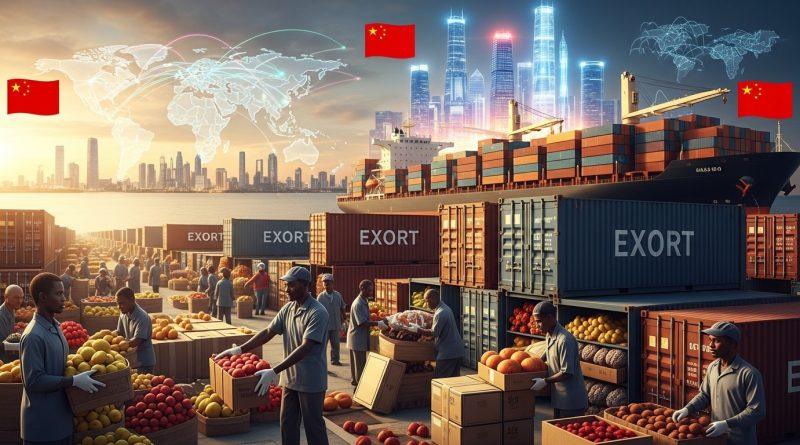
Africa-China Trade Boom: Zero Tariffs Set to Drive Growth and Investment in 2026
Africa is on the brink of a transformative economic moment as China prepares to eliminate import tariffs on goods from 53 African countries from May 1, 2026. The move, which excludes only Eswatini due to its diplomatic position, is being widely welcomed as a bold step toward deeper China-Africa cooperation and a stronger South-South partnership.
For South Africa and the broader continent, the zero-tariff policy is more than a trade adjustment; it is a gateway to inclusive growth, industrialisation, and global competitiveness. By opening the doors of one of the world’s largest consumer markets, China is creating real opportunities for African producers to scale up exports and diversify beyond raw materials.
Sectors such as agriculture, manufacturing, and agro-processing stand to benefit significantly. South African farmers, for instance, could see expanded demand for high-quality fruits, wine, and processed foods, while local manufacturers gain a new platform to compete globally.
Importantly, this initiative reflects a different approach to international trade, one rooted in mutual respect and shared development. Unlike traditional Western trade frameworks that often come with political conditions, China’s zero-tariff policy is being praised for supporting African economies on their own terms.

Johannesburg-based Political and International Relations Analyst, Dr. Gideon Chitanga says the policy presents both immediate and long-term gains for Africa.
“Zero-tariff trade will allow African countries to export a more diverse basket of products into China and increase exports without worrying about additional taxes. China is a huge market, so this is a major opportunity,” he explained.
“What makes this even more impactful is that the policy comes with improved trade processes, faster, easier movement of goods and smoother customs systems. This will help African economies grow, create jobs, and improve development outcomes, especially at a time when global trade is becoming more uncertain.”
Dr. Chitanga added that in a shifting global environment—where some economies are raising tariffs—China’s approach offers a stabilising and growth-oriented alternative for African exporters.
The ripple effects are expected to extend beyond individual countries. The initiative aligns closely with the African Continental Free Trade Area (AfCFTA), encouraging regional collaboration, shared value chains, and improved trade infrastructure across borders. In this way, China’s policy could help accelerate Africa’s own integration agenda.
South Africa, with its relatively advanced industrial base, is particularly well-placed to lead in this new trade environment. By investing in quality standards, innovation, and export readiness, local businesses can take full advantage of the opportunity.
While challenges remain, especially around meeting regulatory standards and increasing awareness among small businesses, the overall outlook is overwhelmingly positive. With the right support and coordination, African economies can unlock new levels of growth and job creation.
As global trade continues to evolve, China’s zero-tariff initiative stands out as a powerful example of what South-South cooperation can achieve. For Africa and South Africa alike, it marks the beginning of a more balanced, inclusive, and opportunity-driven global economic future.