Sister Cities: How China, Africa and Indian Ocean Nations Are Building Lasting Partnerships Across Continents
As the world becomes increasingly interconnected, cities are no longer waiting for national governments alone to drive international relations. Across the globe, municipalities, provinces and regional administrations are forging direct partnerships with their counterparts abroad through what are commonly known as sister-city relationships.
For many countries in Africa, China and the Indian Ocean region, these partnerships are emerging as an important instrument for strengthening South-South cooperation, promoting cultural understanding and unlocking new economic opportunities.
Understanding the Sister-City Concept
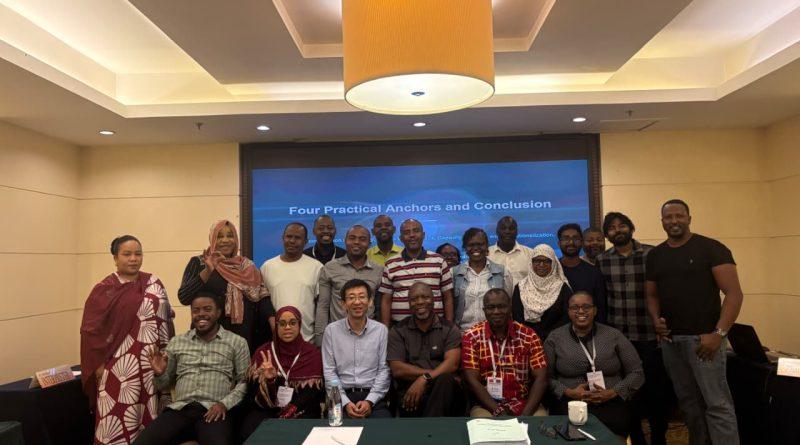
According to Mr. Zhang Jiapeng, from the Foreign Affairs Office of the People’s Government of Yunnan Province, a sister city, also referred to as a twin city or friendship city, is a formal agreement between two cities or local governments in different countries aimed at fostering long-term cooperation and mutual understanding. Such partnerships are designed to encourage exchanges between people and institutions while creating a framework for collaboration in areas ranging from trade and tourism to education, culture and technology.
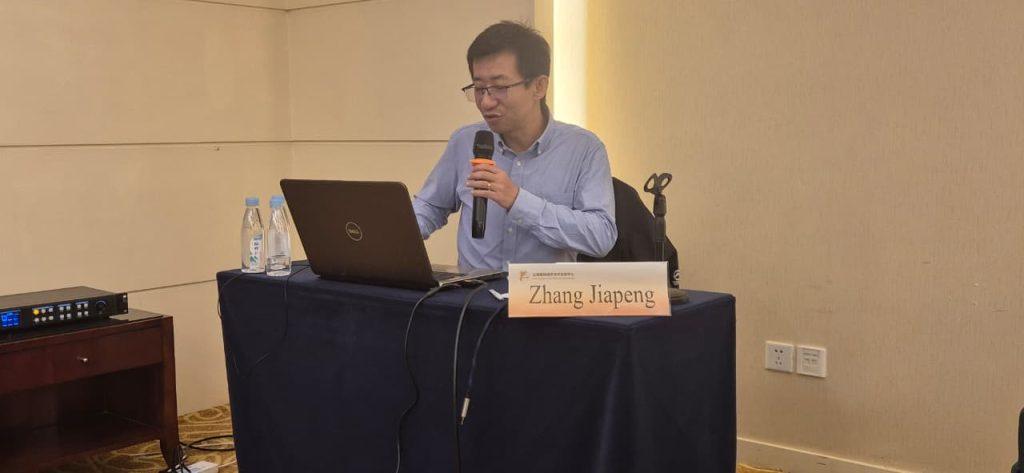
Unlike traditional diplomacy, which is largely conducted at national level through foreign ministries and embassies, sister-city partnerships enable local governments and communities to engage directly with one another. Through these arrangements, cities are able to share experiences, exchange ideas and jointly address common challenges.
The Purpose and Benefits of Sister Cities
The purpose of sister-city relationships extends far beyond ceremonial visits and official receptions. Many partnerships have resulted in increased trade and investment, expanded tourism opportunities, educational cooperation, youth exchanges, cultural festivals and knowledge-sharing in areas such as urban planning, environmental management, the Green Economy and public health.
These partnerships have become particularly important for countries in the Global South, where cities often face similar development challenges and can learn valuable lessons from one another’s experiences.
Levels of Government Involved
Sister-city relationships can be established at several levels of government. Municipal councils, metropolitan municipalities, district administrations, counties, provinces and regional governments are all able to enter into such partnerships, depending on the legal framework of each country.
Universities, business organisations, cultural institutions, civil society groups and of late, media organisations also frequently participate in exchange programmes and collaborative initiatives arising from these agreements, helping to ensure that cooperation extends beyond government offices to ordinary citizens.
Currently, Journalists from Sri Lanka are involved is a media programme based in Kunming but travelling to other cities like Guangzhou for in-depth learning.
China and Africa: A Growing Partnership
Despite the vast geographical distance separating China and Africa, experts say there is no reason why cities on the two continents cannot successfully establish and maintain sister-city partnerships. In fact, hundreds of friendship-city agreements already exist between Chinese and African local governments.
Among the most prominent examples are the partnerships between Durban and Guangzhou, Johannesburg and Beijing, as well as Cape Town and Hangzhou. In Kenya, Nairobi has developed close relations with Kunming, while Mombasa has strengthened ties with Guangzhou. These relationships have facilitated cooperation in trade, infrastructure development, tourism, education and cultural exchanges.
As China and Africa continue to deepen relations under various cooperation frameworks, sister-city partnerships are increasingly being viewed as an important pillar of people-to-people diplomacy and South-South cooperation.
Sister Cities in the Indian Ocean Region
The Indian Ocean region is also increasingly embracing city diplomacy. Cities and local governments in countries such as Mauritius, the Maldives and Seychelles have entered into partnerships with Chinese and other international cities to advance tourism, environmental protection and sustainable urban development.
As maritime cooperation, regional integration and the blue economy gain prominence, experts believe that sister-city cooperation among Indian Ocean countries will continue to expand significantly.
Sister-City Partnerships Around the World
The concept of sister cities is not unique to China and Africa. Around the world, some of the most enduring international partnerships have been built through sister-city agreements.
San Francisco and Osaka, Shanghai and Yokohama, Paris and Rome, London and Berlin, as well as Sydney and Guangzhou, are among the many examples that have helped strengthen people-to-people relations over decades while creating opportunities for economic and cultural cooperation.
How Sister-City Relationships Are Established
Establishing a sister-city relationship generally begins with identifying a suitable partner city that shares similar interests or development priorities. Discussions are then initiated through diplomatic channels, embassies, friendship associations or direct contact between local authorities.
Exchange visits often follow, allowing officials and stakeholders to explore areas of mutual cooperation before signing a letter of intent and eventually a formal agreement. Once established, the partnership is usually supported by joint committees responsible for implementing exchange programmes and overseeing cooperation projects.
Strengthening South-South Cooperation
For countries of the Global South, sister-city diplomacy is increasingly being viewed as a practical and cost-effective means of promoting development and strengthening international solidarity.
As cities across Africa, China and the Indian Ocean region confront common challenges such as rapid urbanisation, unemployment, climate change and sustainable development, local governments are increasingly looking to one another for solutions.
In an era where digital technology has made communication easier than ever before, sister-city partnerships are proving that geography is no barrier to friendship, cooperation and shared prosperity.
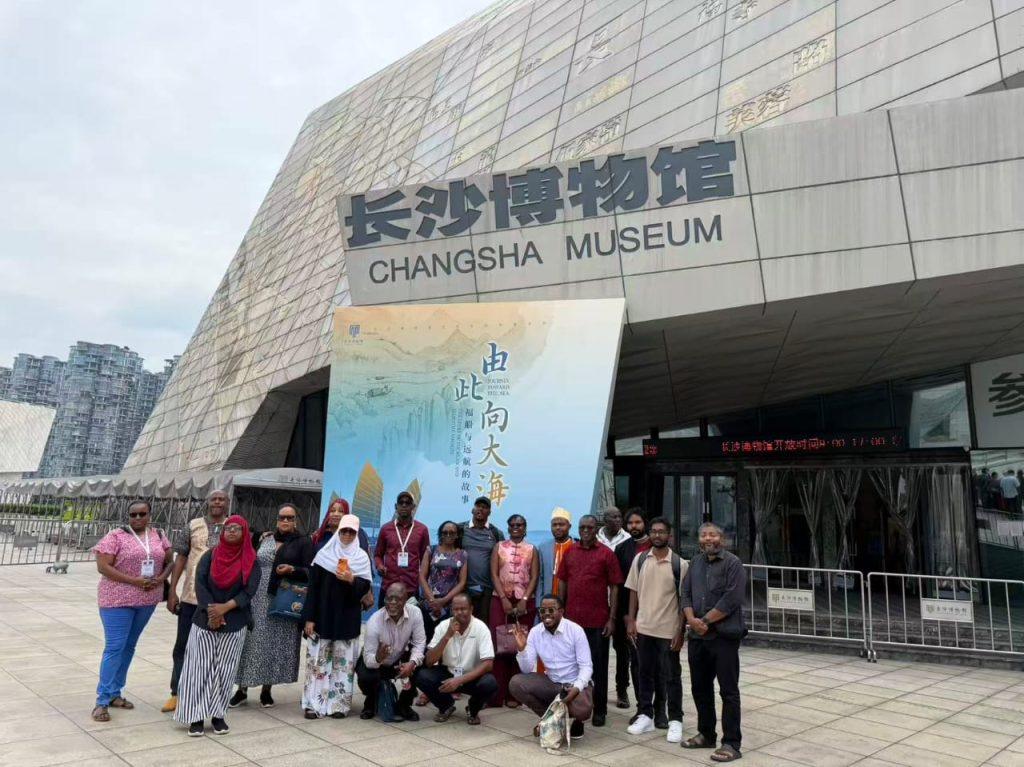
Reflecting on the experience, delegate Austin Moyo said the seminar had reinforced the importance of cultural diplomacy in strengthening relations among countries of the Global South.
“These exchanges are extremely important because they enable people from different countries to learn directly from one another and appreciate each other’s cultures, histories and development experiences,” said Moyo.
“For many of us, visiting sites associated with Chairman Mao Zedong, particularly the Hunan First Normal University where he studied and began shaping his ideas, provided valuable insight into China’s historical journey and the values that continue to influence the country’s development today.”
Moyo said one of the most remarkable aspects of the seminar was witnessing how China has successfully integrated modernisation with the preservation of its rich cultural heritage.
“Whether we were visiting ancient academies, museums, ethnic villages or modern economic zones, it became clear that cultural identity remains central to China’s development model. There are many lessons that African countries and cities can draw from this experience,” he said.
Another delegate, Ms. Irene Akinyi Odindo also fondly recalled the culinary experiences in Hunan Province.
“Changsha’s famous spicy cuisine was certainly unforgettable,” she laughed. “Coming from Africa, we are familiar with flavourful food, but Hunan cuisine took spicy food to another level. Every meal was a cultural experience in itself, and despite the heat, we thoroughly enjoyed the hospitality and authenticity of the local dishes.”
Ms. Odindo added that sister-city exchanges have enormous potential to strengthen cooperation among China, Africa and Indian Ocean countries.
“These programmes demonstrate that geographical distance is no longer a barrier. Through people-to-people exchanges, educational cooperation, trade and cultural partnerships, cities across the Global South can build lasting friendships and work together towards shared development and prosperity,” Odindo said.