
Ancient Academies, Revolutionary Heritage and Living Culture Deepen China-Africa Friendship in Changsha
CHANGSHA, CHINA – Beyond economic cooperation and trade, cultural understanding remains one of the strongest pillars of South-South cooperation.
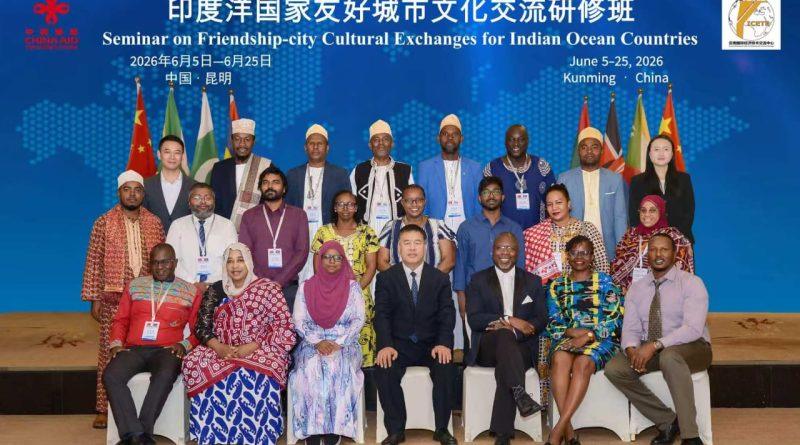
This was evident during a recent visit by delegates from South Africa, Kenya, the Maldives and the Comoros to several of Changsha’s most iconic cultural and historical sites as part of the Seminar on Friendship-City Cultural Exchanges for Indian Ocean Countries.
The programme offered delegates an opportunity to experience China’s rich civilisational heritage while exploring ways of strengthening cultural exchanges between Chinese and African sister cities.
One of the most symbolic visits took place at the historic site of Hunan First Normal University, where Chairman Mao Zedong studied and began developing many of his early political ideas.
The preserved campus provides visitors with a deeper understanding of Mao’s formative years and China’s revolutionary history. For delegates from Africa, many of whose countries experienced anti-colonial struggles and liberation movements, the visit offered important historical parallels and opportunities for dialogue on nation-building, patriotism and leadership.
Revolutionary heritage sites continue to serve as important spaces for international dialogue and mutual learning among developing countries.
Delegates also visited Orange Isle, one of Changsha’s best-known landmarks located in the Xiang River. Combining ecological beauty with historical significance, Orange Isle has become a symbol of modern Changsha and an important venue for cultural exchanges.
The island’s famous giant sculpture of young Mao Zedong attracts visitors from around the world and provides a setting where history, tourism and public diplomacy intersect.
Tourism and cultural exchanges are increasingly recognised as important components of China-Africa relations. Cultural tourism not only generates economic benefits but also strengthens people-to-people understanding and mutual respect.
Another highlight of the programme was the visit to the Changsha Museum, which chronicles the city’s history from ancient times to the present day.
Through archaeological artefacts, historical exhibitions and cultural displays, the museum presents Changsha as an open and inclusive city shaped by centuries of interaction and exchange.
Museums are increasingly recognised internationally as important platforms for cultural diplomacy, providing opportunities for countries to share their histories and traditions while fostering intercultural dialogue.
Delegates concluded their cultural experience at the Hunan Yuhua Intangible Cultural Heritage Museum, home to more than 300 examples of traditional Chinese craftsmanship and folk culture.
South African delegate Austin Moyo said the visit to Changsha had left a lasting impression on him, particularly the opportunity to visit places associated with the early life of Chairman Mao Zedong.
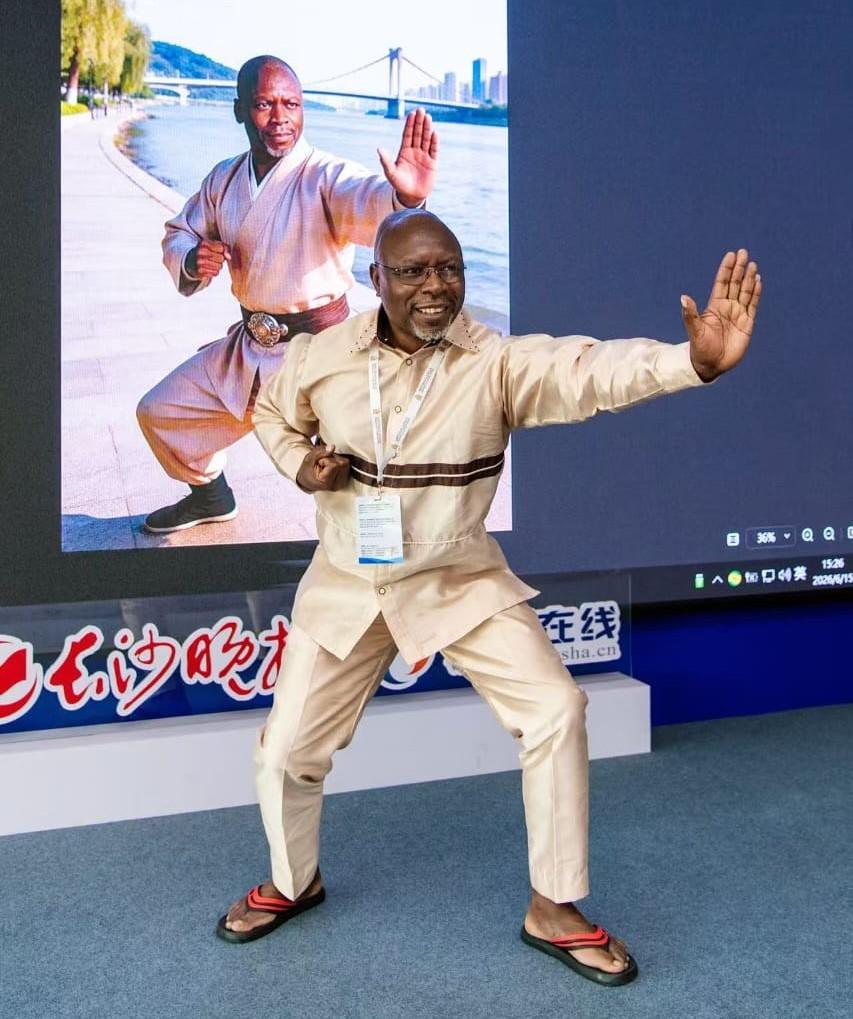
“For many of us from Africa, especially from countries with a history of liberation struggles such as South Africa, visiting the site where Chairman Mao studied and developed his early ideas was both educational and inspiring. It gave us a deeper understanding of China’s revolutionary journey and the values that continue to shape the country today, especially the similar strugles that Soutrh Africa also went through to gain freedom” said Moyo.
Reflecting on the broader exchange programme, Moyo said cultural exchanges remained one of the strongest foundations for South-South cooperation.
“Diplomacy is not only about governments and trade agreements. It is also about people understanding each other’s histories, cultures and aspirations. These exchanges create friendships, break stereotypes and build trust among nations of the Global South,” he said.
Moyo also joked that while Changsha’s renowned spicy cuisine initially came as a surprise, it quickly became one of the highlights of the trip.
“As Africans, we appreciate flavour, but Changsha certainly took us to another level when it comes to chilli,” he laughed. “The food was incredibly delicious, rich in tradition and full of character. By the end of the visit, many of us had developed a new appreciation for Hunan cuisine, although we still needed a glass of water nearby as we ate.”
He added that the visit had demonstrated that despite geographical distance, China and African countries share many common values, including respect for heritage, family, education and community development.
The museum’s innovative “government-supported, privately-run” model impressed delegates, particularly those interested in preserving indigenous African knowledge systems, oral traditions and cultural practices.
Many African countries face challenges in safeguarding traditional music, crafts, languages and customs amid rapid urbanisation and globalisation. China’s experience in preserving intangible cultural heritage may therefore offer useful lessons for African policymakers and cultural institutions.
The significance of such exchanges extends far beyond tourism.
China and Africa have increasingly prioritised cultural cooperation, with both sides launching numerous initiatives to promote mutual understanding, artistic collaboration and exchanges among youth, academics and cultural practitioners. The forthcoming China-Africa Year of People-to-People Exchanges is expected to further deepen these interactions and strengthen public support for long-term cooperation.
As delegates from South Africa, Kenya, the Maldives and the Comoros discovered in Changsha, cultural heritage remains a powerful bridge connecting peoples of the Global South and laying the foundation for enduring friendship and shared development.