
China-Africa Partnership Enters New Era as Guinea Eyes Beijing’s Development Success
More than six decades after forging diplomatic relations, Guinea is increasingly looking to China as a model for economic transformation, industrial growth and agricultural modernisation as the West African nation seeks to fast-track its development agenda.
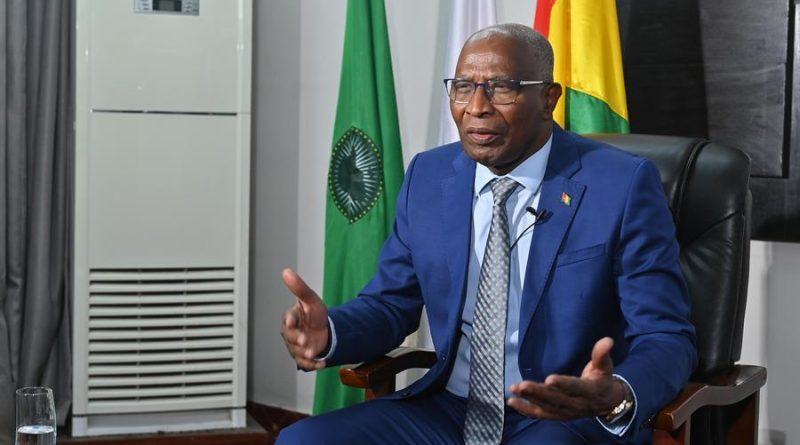
Guinean Prime Minister Amadou Oury Bah recently highlighted China’s extraordinary development journey as a source of inspiration for Guinea and many developing nations seeking sustainable economic growth.
According to Bah, Guinea intends to further strengthen cooperation with China in strategic sectors such as infrastructure, mining, agriculture, industrialisation and human resource development.
Historic Friendship Lays Strong Foundation
The relationship between Guinea and China dates back to October 1959, shortly after Guinea gained independence. Since then, the two countries have maintained close ties characterised by infrastructure development, technical assistance and economic cooperation.
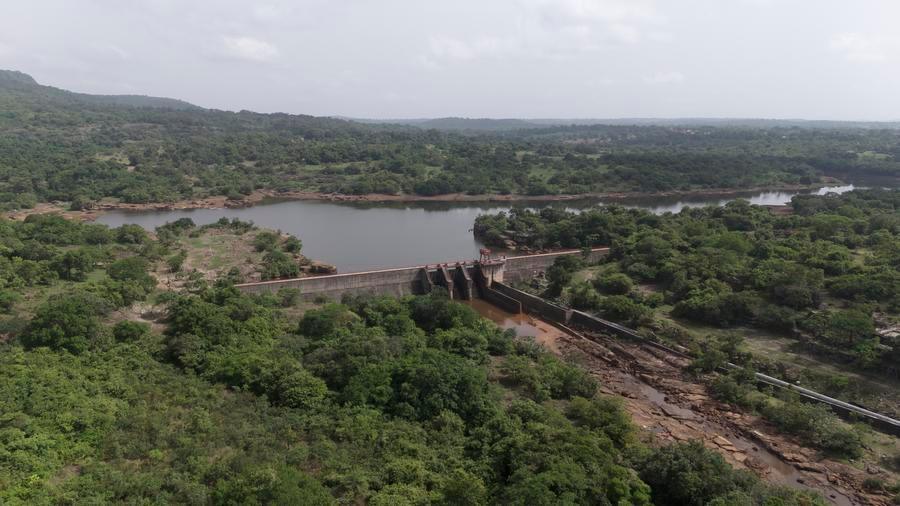
One of the earliest and most symbolic achievements of this partnership was the construction of the Kinkon Hydropower Station. This year marks 60 years since the completion of the facility, which was Guinea’s first hydropower station built after independence.
For many Guineans, the project remains a powerful symbol of the longstanding friendship between the two countries. Prime Minister Bah, who comes from the region where the dam is situated, described the project as evidence of how enduring partnerships can contribute significantly to national development.
The hydropower project also represented one of China’s earliest overseas aid initiatives in Africa, laying the groundwork for decades of cooperation that would expand into various sectors.
Mining Cooperation Ushers in New Era
In recent years, China-Guinea relations have evolved beyond traditional aid and infrastructure projects. Economic ties have increasingly been driven by major investments in Guinea’s vast mineral resources.
Guinea possesses some of the world’s largest reserves of bauxite, a key raw material used in aluminium production. Chinese companies have become major investors in the country’s mining sector, helping transform Guinea into one of the world’s leading bauxite exporters.
Perhaps the most significant development in recent years has been the advancement of the Simandou Iron Ore Project, regarded as one of the largest untapped iron ore deposits globally.
The project has triggered substantial investment in supporting infrastructure, including railways and port facilities, which are expected to reshape Guinea’s economic landscape and improve regional connectivity.
Government officials believe these investments will not only boost exports but also stimulate broader industrial development and create thousands of employment opportunities.
Skills Transfer and People-to-People Exchanges Growing
Beyond economic cooperation, educational and technical exchanges between the two nations have continued to grow.
Increasing numbers of young Guineans are studying and receiving specialised training in China, particularly in technical and industrial fields. Many graduates have returned home to occupy key positions in both the public and private sectors, contributing to national development efforts.
Guinea is also seeking greater access for its products to the Chinese market, viewing China’s vast consumer base as an important opportunity for expanding exports and diversifying the country’s economy.
Benefits for the Future
Looking ahead, deeper cooperation between Guinea and China is expected to deliver a range of long-term benefits.
These include accelerated infrastructure development, enhanced industrial capacity, improved agricultural productivity, expanded trade opportunities and greater skills development among young people.
The partnership is also expected to strengthen regional connectivity through improved transport networks while promoting South-South cooperation and shared development.
As Guinea pursues ambitious economic reforms, officials believe that learning from China’s development experience could help the country unlock its full potential and build a more diversified, resilient and prosperous economy.
With major projects already transforming parts of the country, the Guinea-China relationship appears set to enter a new phase focused not only on resource extraction, but also on industrialisation, innovation and sustainable development.