

China’s Zero-Tariff Policy Opens New Export Opportunities for South African Farmers and Small Businesses
Staff Reporter
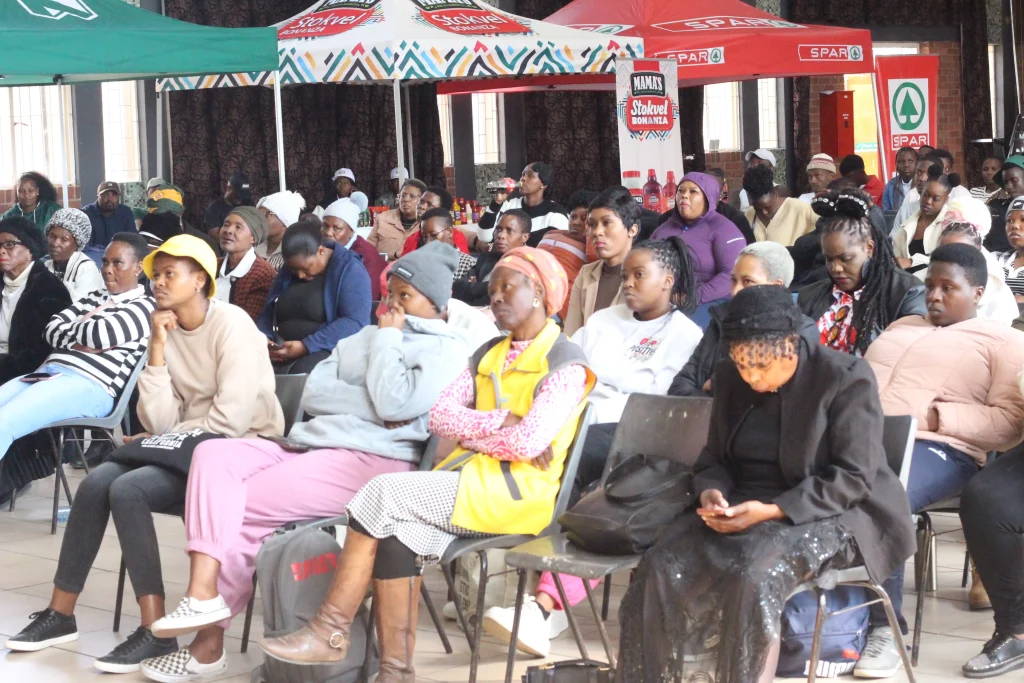
POLOKWANE – South African farmers, entrepreneurs and small business owners are being urged to take advantage of new opportunities emerging from China’s Zero-Tariff Policy for African countries, following an awareness dialogue held in Polokwane, Limpopo, on 30 May 2026.
The public engagement brought together community members, business leaders, government representatives, farmers and entrepreneurs to unpack the potential benefits of the policy, which allows qualifying products from African countries greater access to the Chinese market without import tariffs.
Organised as part of ongoing awareness campaigns, the dialogue sought to bridge the information gap that often prevents rural communities and emerging businesses from participating in international trade opportunities.
Speaking at the event, trade and development expert Dr Gideon Chitanga described the policy as a significant economic opportunity capable of stimulating growth across multiple sectors.
“The Zero-Tariff Policy is a major opportunity not only for farmers but also for manufacturers, entrepreneurs, small businesses, cooperatives and service providers,” said Chitanga. “It creates a pathway for South African products and services to access one of the world’s largest markets while encouraging economic growth, innovation and job creation.”
He stressed that awareness remains one of the biggest challenges facing communities that stand to benefit from the initiative.

“Many people have heard about the policy but do not fully understand what it means or how it can benefit them. Through dialogues such as these, we are empowering communities with information that can help unlock new economic opportunities,” he said.
The session attracted participants from the agriculture, retail, manufacturing, tourism and small business sectors, with discussions focusing on strengthening local production, improving market access and supporting emerging enterprises.
Among the attendees was small-scale farmer Maggie Malatji, who said the engagement had broadened her understanding of opportunities available beyond local markets.
“As a small-scale farmer, I now understand that there may be opportunities beyond local markets if we receive the necessary support and guidance,” she said.
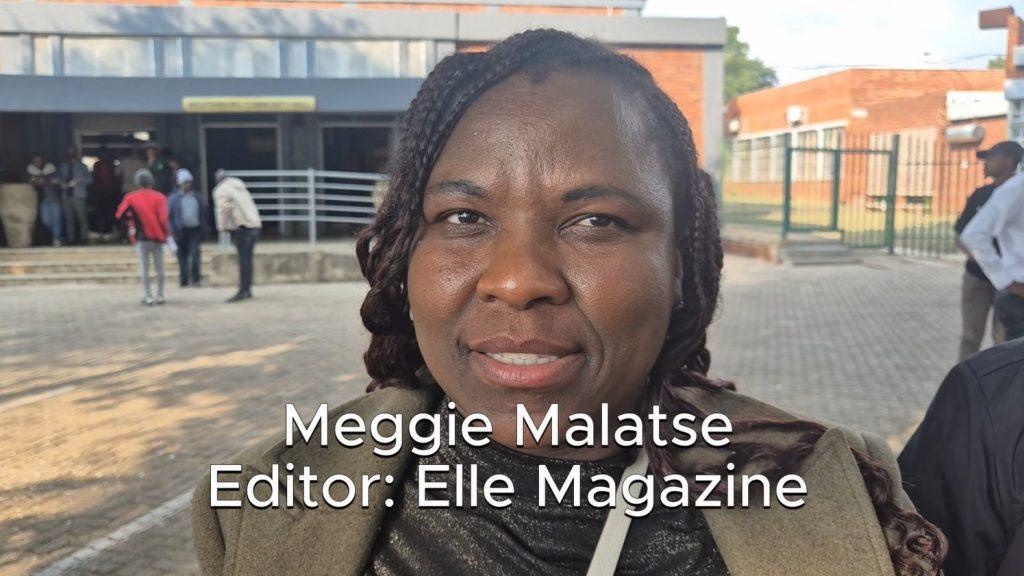
Adding a local perspective, Meggie Malatse, a small-scale farmer and publisher of Elle Magazine, said information remains one of the biggest barriers facing rural farmers.
“Information does not always reach farmers in the outlying areas, and when it does, it is often not clear enough for people to understand how they can benefit,” said Malatse.
“Many farmers have access to land but end up underutilising it because they lack information about available opportunities. There is a need for government, development agencies and stakeholders to make a greater effort to reach rural communities and educate them, especially about opportunities linked to the Zero-Tariff Policy.”
Local entrepreneur Thabo Masedi, who operates a handicraft business, said the dialogue highlighted the fact that international trade opportunities are not reserved for large corporations.
“This dialogue showed that small businesses can also benefit from global markets. Information like this is important because it helps entrepreneurs see new opportunities for growth and job creation,” he said.
Community member Sarah Mphahlele echoed similar sentiments, noting that many people remain unaware of the policy and its potential impact.
Stakeholders agreed that continued awareness campaigns, collaboration and skills development programmes will be critical in ensuring that communities and businesses are positioned to benefit from the opportunities presented by China’s growing trade relationship with Africa.
The dialogue concluded with a call for greater public participation in trade discussions and a commitment to expand awareness initiatives across Limpopo and other provinces.
As South Africa seeks to grow exports, create jobs and empower rural economies, stakeholders believe that ensuring communities understand and access opportunities created by the Zero-Tariff Policy could play a vital role in unlocking inclusive economic growth.