

China–South Africa Citrus Deal Signals New Era for Agricultural Trade and Agro-Processing Growth
South Africa’s agricultural sector is entering a promising new chapter following the signing of a landmark citrus export agreement with China on April 17, 2026. The deal, widely welcomed by industry stakeholders, is set to streamline export procedures, reduce costs, and unlock greater access for South African farmers to one of the world’s largest and fastest-growing consumer markets.
A Boost for Citrus Exports
South Africa, already a leading global citrus exporter, stands to benefit significantly from simplified export protocols and improved logistics coordination with China. The agreement focuses on reducing administrative bottlenecks, harmonising standards, and accelerating inspection processes, key factors that have historically slowed down shipments.
Industry analysts note that China’s expanding middle class continues to drive strong demand for high-quality imported fruit, particularly citrus varieties such as oranges, lemons, and soft citrus. By making exports more cost-effective, the new framework is expected to enhance competitiveness for South African producers while ensuring Chinese consumers receive fresher products more efficiently.
Phytosanitary Modernisation Gains Momentum
Parallel to the agreement, mid-April discussions between African agricultural stakeholders and Chinese counterparts have centred on modernising phytosanitary systems across the continent. These improvements are essential to meet China’s stringent import requirements and ensure product safety and traceability.
The timing is strategic. China is set to introduce a unilateral zero-tariff policy on May 1, 2026, aimed at boosting imports from developing economies, including African nations. However, access to this preferential framework depends heavily on compliance with strict plant health and safety standards.
Efforts to upgrade laboratory testing, digital certification systems, and cold-chain infrastructure are already underway. These initiatives not only facilitate trade with China but also strengthen Africa’s overall agricultural competitiveness in global markets.
Limpopo Positions Itself as an Agro-Export Hub
At a provincial level, Limpopo is emerging as a key player in this evolving trade landscape. Building on newly established export protocols, the provincial government has intensified its April 2026 trade drive to attract investment in agro-processing and cold-chain logistics.
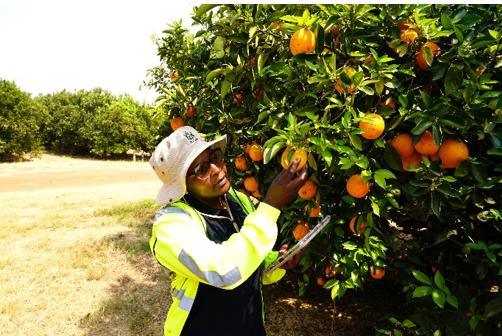
Limpopo’s favourable climate makes it ideal for high-demand exports such as avocados and stone fruits, including peaches, plums, and nectarines. By strengthening processing capacity and storage infrastructure, the province aims to extend shelf life, reduce post-harvest losses, and meet the quality expectations of international buyers, particularly in China.
Local Voices: Farmers and Communities See Opportunity
For many on the ground, this agreement is more than policy; it is personal. Farmers, packhouse workers, and small business owners across rural South Africa are already expressing cautious optimism about what this could mean for their livelihoods.
A citrus farmer from Hoedspruit shared that access to the Chinese market could be “a game-changer,” especially for medium-sized farms that often struggle with fluctuating prices in traditional export destinations. “If the process becomes smoother and faster, we can plan better, hire more workers, and invest in improving our orchards,” he noted.
Similarly, a young agro-entrepreneur, Sipho Maseko from Mpumalanga, highlighted the ripple effect of such trade agreements. “When exports grow, everything grows: transport, packaging, local suppliers. It creates an entire ecosystem of opportunity, especially for young people trying to enter agriculture,” she said.
Community leaders have also pointed out that increased investment in agro-processing could help reduce rural unemployment and migration to cities. With better infrastructure and consistent demand, farming communities can begin to stabilise and grow sustainably.
A Forward-Looking Partnership
The convergence of improved export agreements, phytosanitary modernisation, and targeted provincial investment underscores a broader shift in China–Africa economic cooperation, from raw commodity trade toward value-added, sustainable development.
For South Africa, this moment represents more than increased export volumes; it signals an opportunity to reposition itself as a reliable, high-quality supplier in global food markets. For China, the partnership ensures stable access to a diverse range of agricultural products while supporting development across the African continent.
As voices from farms and rural towns echo optimism, the evolving agricultural trade framework reflects the growing strength of South–South cooperation, built on mutual benefit and shared growth. Looking ahead, strengthened China–South Africa and broader China–Africa partnerships are poised to transform not only trade flows but also everyday lives, creating a future where opportunity reaches from orchards in Limpopo to markets across China.