
South Africa’s 2026 Budget Explained: What It Means for Ordinary Citizens
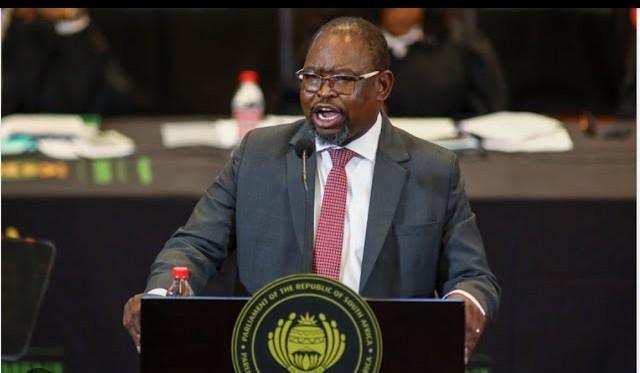
South Africa’s 2026 Budget, presented by Finance Minister Enoch Godongwana, focuses on fixing the country’s finances, growing the economy and improving essential services, while trying to avoid putting extra pressure on taxpayers. In simple terms, government says the country is slowly recovering after years of economic difficulties caused by state capture, the COVID-19 pandemic and global economic challenges.
Economy: Slow Growth but Signs of Recovery
The economy is expected to grow by about 1.6% in 2026, slightly higher than in 2025. Although this growth is still slow, government believes it will gradually improve to around 2% by 2028 if reforms and investments continue. However, challenges such as weak infrastructure, transport bottlenecks and other economic pressures are still holding the country back.
Debt and Government Finances
One of the most important points in the budget is that government debt is finally stabilising after many years of rising. This means the country is slowly getting its finances under control. As debt stabilises and begins to fall in the coming years, government will spend less money on interest and more on development projects and services that benefit citizens.
The government plans to spend about R2.67 trillion in the 2026/27 financial year. Most of this money will go towards social services such as education, healthcare and social grants. More than 60% of spending will support what is called the “social wage,” which includes schools, hospitals and social protection programmes that directly help millions of South Africans.
CLICK HERE to open the 2026 Budget Highlights PDF
Taxes and Cost of Living
There is some relief for households and businesses. Government has withdrawn a previously planned tax increase because tax collections were stronger than expected. Personal income tax brackets will also be adjusted in line with inflation, which helps reduce the tax burden slightly.
To encourage savings, the annual tax-free investment limit will increase from R36,000 to R46,000, and retirement fund deduction limits will also be raised. However, some prices may still rise slightly as excise duties on alcohol, tobacco and fuel will increase in line with inflation.
Social Grants and Support for the Poor
Social grants remain a major focus of the 2026 Budget. From April 2026, the old age grant, disability grant and care dependency grant will increase to R2,400. The child support grant will increase to R580, while foster care grants will also rise. Government says social grants will continue supporting over 26 million beneficiaries, helping vulnerable households cope with the high cost of living.
Infrastructure and Job Creation
The budget strongly prioritises infrastructure development, with over R1 trillion planned for investment over the next few years. This includes spending on roads, rail, water systems and energy projects. Improving infrastructure is expected to create jobs, improve service delivery and support long-term economic growth.
Safety, Education and Health
More money will also be spent on policing, defence and border management to fight crime, illegal mining and organised crime. Education remains the biggest area of government spending, while additional funding has been allocated to healthcare, including HIV/AIDS programmes and the employment of doctors.
What It Means for Ordinary South Africans
For everyday citizens, the 2026 Budget brings a mix of cautious hope and realism. There are small increases in social grants, some tax relief and continued investment in public services. However, economic growth remains slow, which means unemployment and the rising cost of living will still be major concerns.
Local pensioner OkaMadonsela welcomed the increase in social grants, saying it will help many elderly citizens cope with the rising cost of food, electricity and basic needs. She said the additional money, although modest, brings a sense of dignity and relief to pensioners who rely heavily on the grant to survive each month. However, Madonsela also urged government to go beyond financial support by introducing more community-based programmes for senior citizens. “We appreciate the increase, it really helps us,” she said, “but government should also come closer to us with activities like exercise groups, health check-up days and social events that keep us active and healthy, not just financially supported.”
Overall, the budget aims to balance responsible spending with social support, while gradually rebuilding the economy and improving the country’s financial stability for the future.
CLICK HERE to download the FULL Speech
BUDGET 2026: How It Will Affect Your Daily Life
- Slight Relief on Taxes
Personal income tax brackets will be adjusted for inflation, which means many workers may avoid paying more tax due to salary increases. - Social Grants Increased
Old age, disability and child support grants will rise, putting a little more money into the pockets of vulnerable families. - Fuel Costs May Edge Up
Fuel levies will increase slightly, which could make petrol and transport costs a bit more expensive. - Small Price Increases on Alcohol and Tobacco
Excise duties on alcohol and cigarettes will rise with inflation, meaning these products will cost slightly more. - More Spending on Education and Schools
Government is allocating more funds to education and early childhood development, which could improve learning conditions for children. - Improved Healthcare Services
More money is being directed towards hiring doctors and supporting health programmes, including HIV/AIDS treatment. - Continued Social Relief Support
The Social Relief of Distress (SRD) grant will continue for the year, helping unemployed and struggling households. - Better Infrastructure and Service Delivery
Large investments in roads, rail, water and energy aim to reduce service delivery problems and support job creation over time. - Possible Improvements in Public Transport and Rail
Funding for rail recovery and transport infrastructure could lead to more reliable and affordable commuting in the future. - Stronger Action Against Crime and Illegal Activities
Increased funding for police, defence and border management aims to tackle crime, illegal mining and organised crime, which could improve community safety.