
China–SA Wind Project Powers 300,000 Homes and Transforms De Aar
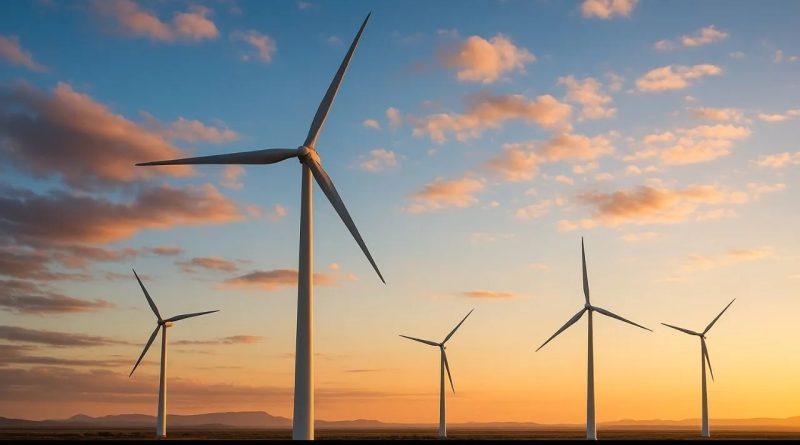
South Africa’s renewable-energy landscape continues to expand, with the 244.5 MW De Aar Wind Power Project in the Northern Cape standing out as one of the country’s most impactful clean-energy investments to date.
Completed in 2017 with a US$352 million (R6.6 billion) investment from China under the Belt and Road Initiative, the project features 163 turbines that collectively generate around 770 million kWh of electricity each year. This output is enough to power approximately 300,000 homes, easing the pressure on South Africa’s strained electricity grid and helping reduce reliance on ageing coal-fired stations.
Beyond its contribution to national energy security, the project has made significant social and economic gains in the small Karoo town of De Aar. Operated by Longyuan South Africa, a subsidiary of China Longyuan Power, the wind farm has prioritised skills development and local employment since its inception.
More than 110 young South Africans have received technical training, and over 80% of the workforce is drawn from local communities, with many progressing into skilled operational and managerial roles. The company also funds community programmes, including an annual scholarship scheme worth over R4.5 million, supporting more than 112 students to date.
One of the beneficiaries, 31-year-old Xolani Taute, previously unemployed, is now a trainee wind-turbine technician. “This project changed my life,” he said. “I can now support my family.”
The De Aar project forms part of a broader trend of Chinese participation in renewable-energy development across Africa. Similar ventures include the Adama Wind Farms in Ethiopia (204 MW), the Garissa Solar Plant in Kenya (50 MW), and new wind developments in Namibia and Zimbabwe.
Analysts say the project showcases the potential of international partnerships to support South Africa’s just energy transition while stimulating rural economies. It is also credited with helping cut up to 700,000 tonnes of carbon emissions annually, contributing to South Africa’s climate commitments.
As the country ramps up its renewable-energy procurement plans, the De Aar wind farm is increasingly viewed as a model for future collaboration between South Africa, China, and the wider continent.