

South Africa Amplifies Its Role in China-Africa Relations: Diplomacy, Forums and Fresh Investment
South Africa is not just attending the conversation with China; it is increasingly helping to lead it. In recent weeks, Pretoria has used strategic diplomacy, global forums, and trade initiatives to strengthen the China-Africa partnership. These moves are yielding concrete results for both countries.
At the Ninth Annual South Africa-China Trade Promotion Conference held in Midrand in late September 2025, Deputy Trade Minister Zuko Godlimpi renewed South Africa’s commitment to a balanced and mutually beneficial partnership. He urged Chinese investors to go beyond mining and the export of raw materials, and instead invest more in manufacturing, renewable energy, and technology. Creating local jobs and transferring technical skills were emphasized as priorities.
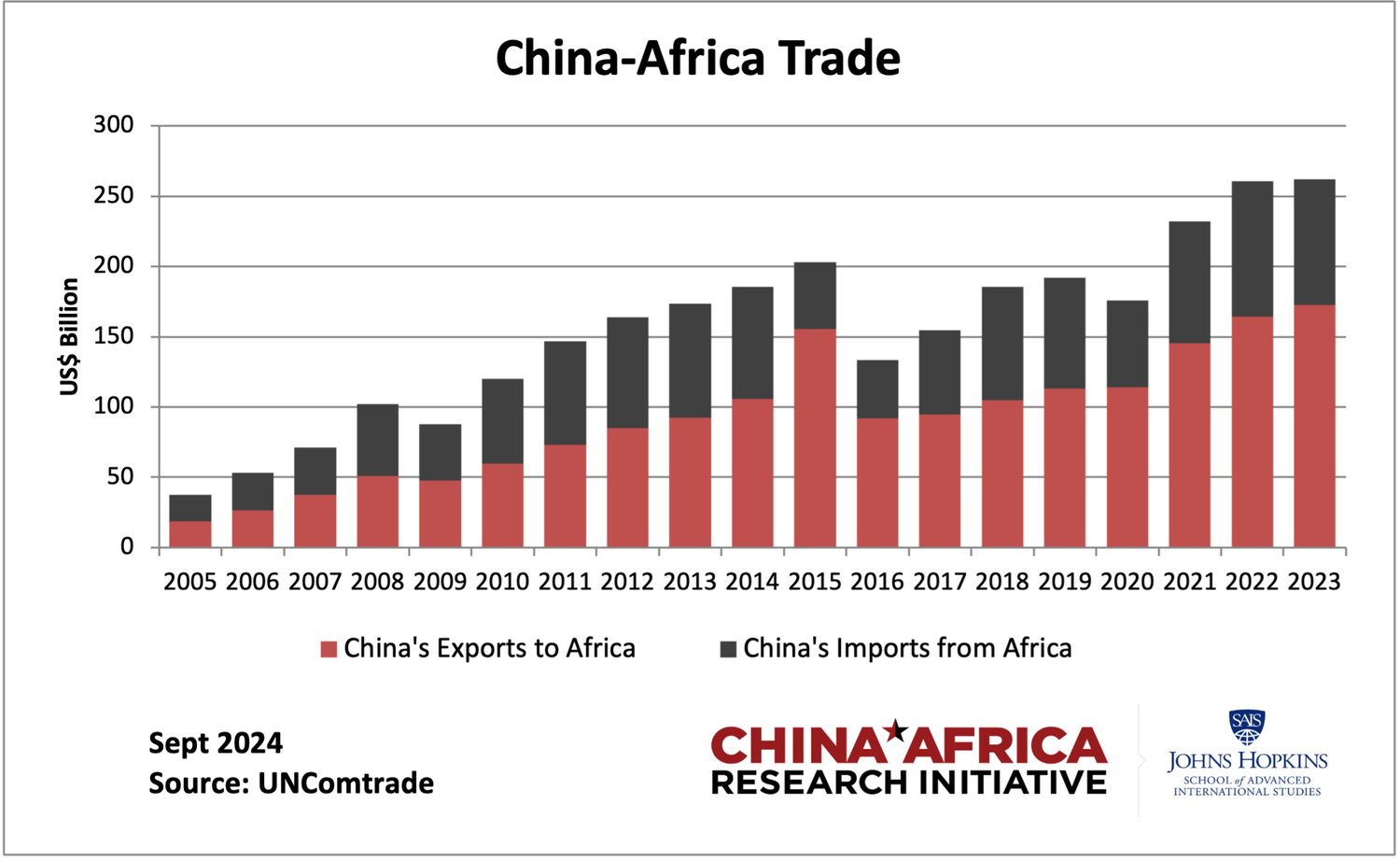
This call comes at a time when U.S. trade policy changes, particularly new import tariffs that affect South African exports, are adding urgency to diversification. In response, both countries pledged to deepen investment cooperation in sectors including energy, infrastructure, and manufacturing. Chinese companies are already stepping up: Baiyin Nonferrous Group announced a R4-billion (≈ $230 million) investment in gold mining operations in Gauteng. Meanwhile, the China-Africa Development Fund is focusing on energy transition projects in South Africa
Ambassador Wu Peng has expressed China’s readiness to fast-track zero-tariff treatment for South African goods under broader schemes involving African partner nations. This reflects alignment with South Africa’s newly published Industrialisation Plan (2025-2029) and China’s own policy adjustments under FOCAC (Forum on China-Africa Cooperation) and the Beijing Action Plan (2025-2027). These agreements include support for trade prosperity, industrial chain cooperation, digital economy development, green energy, healthcare, and rural revitalization.
South Africa’s upcoming presidency of the G20 Summit in Johannesburg (22-23 November 2025) gives the country increased diplomatic leverage. Observers note that Pretoria is expected to use this platform to press for fairer trade rules, climate finance, debt relief, as well as improved terms of trade with China and other global partners. China has expressed public support for several of these priorities.
Participation in forums like FOCAC, the China-Africa Digital Cooperation Forum, and bilateral trade and investment promotion events ensures South Africa’s voice is heard not only in policy statements but in actionable plans. Under the FOCAC Beijing Action Plan, China committed to grant duty-free treatment for many export lines of least developed and other African countries; to support capacity building in agriculture, digital infrastructure, clean energy; and to foster industrial chain cooperation.
The strategic importance of these diplomatic efforts is substantial. By pushing for deeper localisation (so Chinese firms source more locally), South Africa seeks to generate jobs, build a stronger manufacturing base, and reduce reliance on raw material exports. For China, supporting local value-add and industrial capacity in South Africa means more stable supply chains and deeper market presence.
Challenges remain, particularly ensuring agreements translate into action: ensuring infrastructure is able to support new investment, meeting export quality standards, and ensuring that smaller businesses and different provinces share in the gains. But momentum is clearly growing.
In summary, through forums, trade diplomacy, and coordinated policy planning, South Africa is actively shaping the future of China-Africa cooperation. What was once a largely extractive relationship is increasingly evolving into one with shared growth, broader participation, and stronger ties. For China, this brings predictability and a chance to deepen its engagement. For South Africa, it offers a path toward industrialization, value creation, and more inclusive economic growth.