
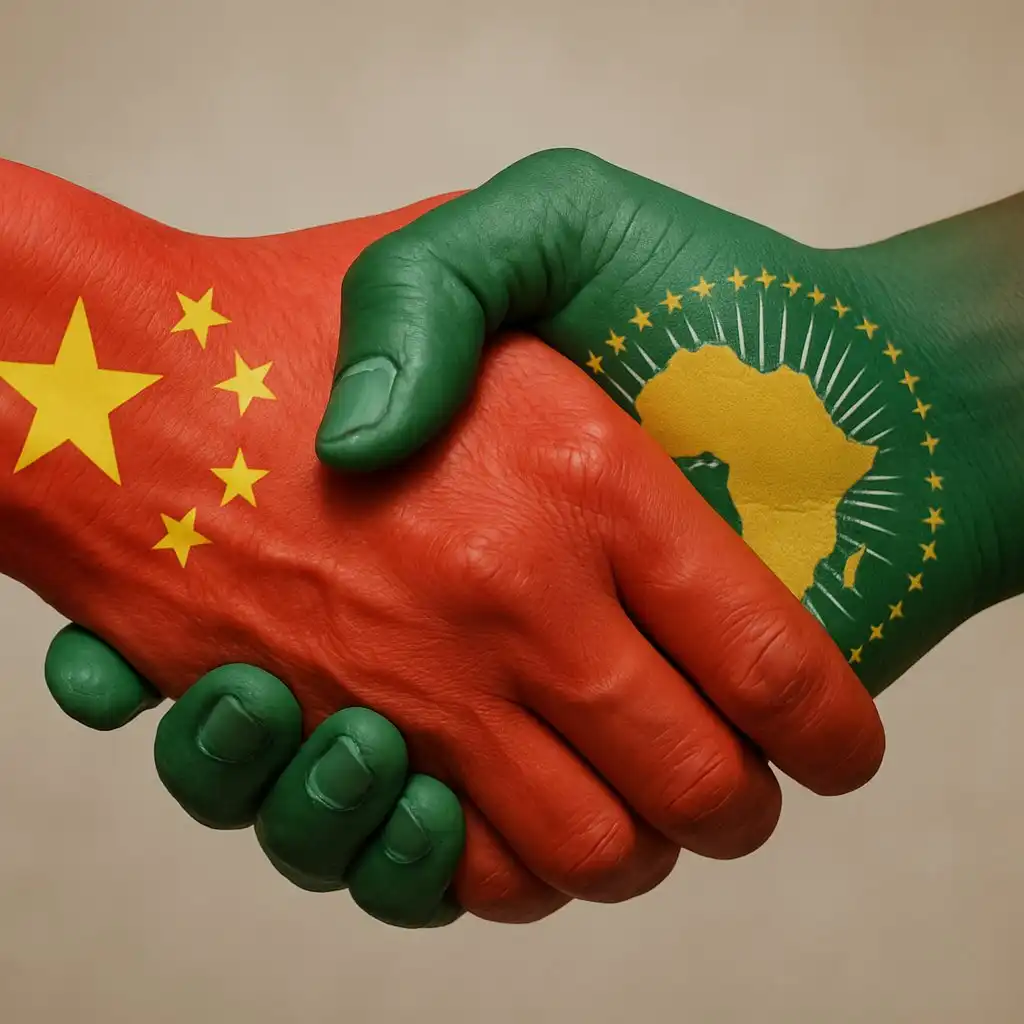
China’s Tariff Elimination on African Exports: A Game-Changer for Economic Growth
China’s Bold Move to Remove Tariffs on African Exports
In a landmark decision set to reshape global trade, China has announced the complete removal of tariffs on exports from all 53 African nations with which it maintains diplomatic ties (excluding eSwatini). This policy, unveiled at the recent Forum on China-Africa Cooperation (FOCAC) ministerial meeting in Changsha, builds on a 2024 initiative that granted duty-free access to 33 least-developed African countries.
The move signals a major step forward in Sino-African economic relations, offering African exporters unprecedented access to China’s vast consumer market. With China-Africa trade hitting $170 billion in 2023, this tariff elimination could further boost commerce, drive economic diversification, and strengthen Africa’s position in global trade.
Key Benefits of China’s Tariff-Free Policy for Africa
- Expanded Market Access for African Goods
By eliminating tariffs, African nations can export a wider range of products—from agricultural commodities (coffee, cocoa, tea) to manufactured goods and minerals—without additional costs. Countries like Angola, Kenya, and Nigeria stand to gain significantly, as China remains Africa’s largest trading partner for over 15 years.
- Angola’s exports to China grew by $21 billion annually (2005-2022) (NTU-SBF Centre for African Studies).
- Kenya’s horticulture and Nigeria’s textile sectors could see a surge in demand, supporting SMEs and reducing unemployment.
- Economic Growth & Job Creation
Increased trade with China could inject billions into African economies, fostering industrialization and job creation. Lower tariffs will make African goods more competitive globally, helping nations move beyond raw material dependency. - Stronger Bargaining Power in Global Trade
Amid rising criticism of U.S. tariff policies, China and Africa’s unified stance at FOCAC highlights a push for fairer global trade rules. This partnership may encourage other nations to adopt more favorable trade policies toward Africa. - Synergy with China’s Belt and Road Initiative (BRI)
The tariff elimination aligns with China’s broader investments in African infrastructure under the BRI, facilitating better integration into Asian supply chains and boosting intra-continental trade.
Challenges & the Path Forward
While the policy offers immense potential, African nations must address key hurdles:
- Limited supply chain integration: From 2005-2022, African LDCs exported $578 billion in duty-free goods to China, compared to $771 billion from non-eligible countries (NTU-SBF).
- Need for value addition: African economies must process raw materials locally rather than relying solely on export volumes.
- Infrastructure & policy reforms: Improving trade logistics and industrial capacity will be crucial to maximizing benefits.
Conclusion: A Historic Opportunity for Africa
China’s tariff elimination by 2025 presents Africa with a transformative opportunity to boost trade, spur economic growth, and enhance global influence. By investing in value-added industries and infrastructure, African nations can turn this policy into a long-term engine for prosperity.
Stay updated on China-Africa trade developments, follow us for more insights!