
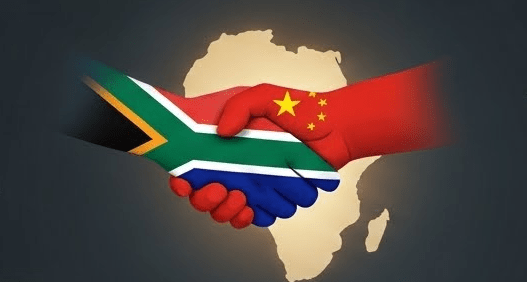
China Promises to Boost African Imports, A Big Step for South Africa and the Continent
China has officially pledged to expand its imports and sign more trade deals with Africa over the next five years, signalling a renewed focus on balanced, mutually beneficial trade. This move could open vast new opportunities for South African exporters and strengthen long-term economic ties between China and Africa at large.
What Was Announced
On 5 December 2025, China’s Commerce Minister announced that Beijing will actively seek more imports from African countries and pursue new trade and investment agreements through 2030. The strategy is part of a broader Chinese push to stimulate domestic consumption through imports, including consumer goods, agricultural produce, raw materials and value-added products.
The announcement comes at a time when African exporters are eager for stable markets, and when global supply-chain shifts have created new export windows. For South Africa, one of Africa’s most industrialised and diversified economies, this pledge offers a potentially powerful lifeline to increase export volume and market reach.
Why It Matters for South Africa
- Expanded Market Access: South Africa’s produce, agricultural goods, minerals and manufactured products may now find easier entry into China’s vast consumer base. This could mean higher export revenues and more consistent demand.
- Export Diversification & Value-Addition: With China declaring intent to import broadly, South African suppliers have an opportunity to move beyond raw materials and focus on value-added goods — processed foods, finished metals, agro-processed products, and more.
- Economic Stability & Job Creation: For industries and workers in mining, agriculture, manufacturing, and logistics, a stable and growing export pipeline to China could generate jobs, stabilise income and encourage investment in local production infrastructure.
- Stronger China-Africa Trade Balance: For years, China-Africa trade has been heavily skewed toward Chinese exports. This new pledge may help narrow the imbalance by boosting Africa’s share of exports. Trade data already show Africa’s exports to China rising in recent years.
Broader Significance for Africa
China’s announcement extends beyond South Africa. Many African countries, especially those with agricultural, mineral or manufacturing potential, stand to benefit from improved access to the world’s second-largest economy. Lower trade barriers and more favourable terms could accelerate industrial growth, support small and medium-sized enterprises, and foster deeper South–South cooperation.
Moreover, the new deal comes amid broader policy changes: China has already implemented zero-tariff access for many African countries — an incentive that has helped boost African exports in 2025.
What to Watch
The real impact will depend on follow-through. South African producers will need to meet Chinese quality and regulatory standards, ensure reliable supply chains, and adapt to market demand in China. Success will also require supportive domestic policies: investment in logistics, agricultural value-addition, and export capacity building.
But if managed well, this pledge could mark a turning point: greater African integration into global supply chains, economic uplift, and a more balanced, respectful trade partnership between China and Africa.