
South Africa’s Thicket Restoration Honoured as UN World Restoration Flagship
South Africa’s pioneering efforts to revive its indigenous subtropical thicket have earned global recognition, with the United Nations naming the project a 2025 World Restoration Flagship. The announcement was made in Nairobi ahead of the 7th UN Environment Assembly (UNEA-7), positioning the country alongside Australia and Canada as leaders in ecosystem restoration.
The initiative, driven by the UN Environment Programme (UNEP) and the Food and Agriculture Organization (FAO), highlights some of the most ambitious, science-based restoration models under the UN Decade on Ecosystem Restoration (2021–2030). South Africa’s flagship, known as the Thicket Restoration Movement—brings together more than 60 organisations working across the Eastern Cape to rehabilitate over 800,000 hectares of degraded land by 2030.
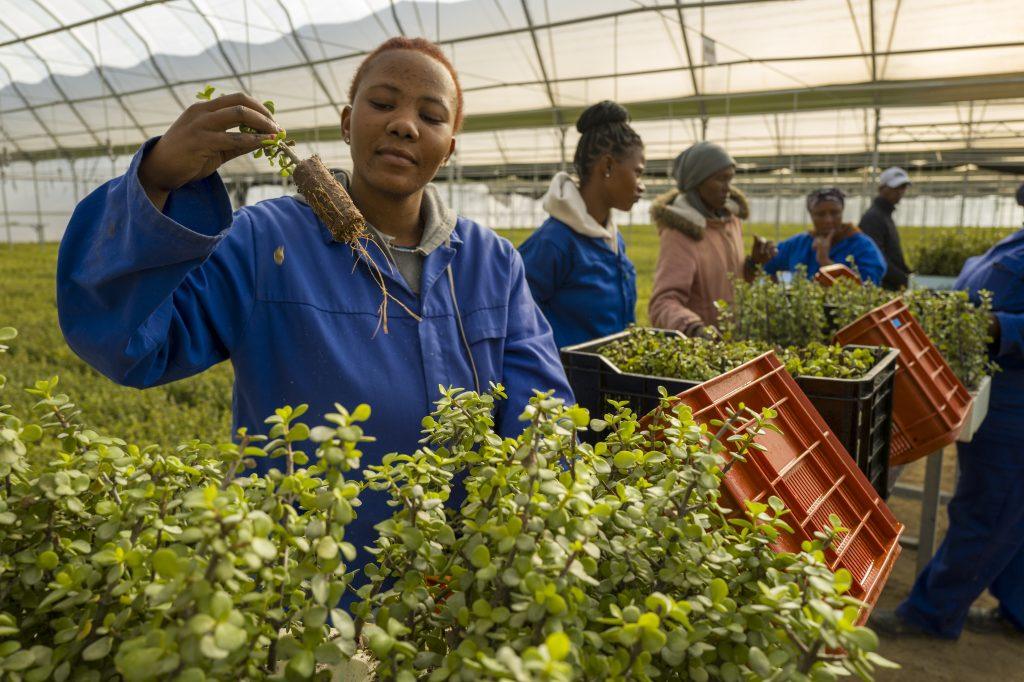
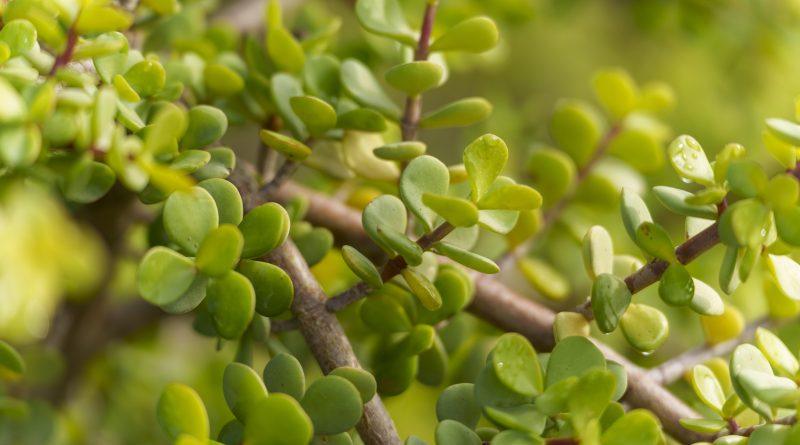
Central to the restoration is the widespread planting of Portulacaria afra (spekboom), a hardy indigenous plant celebrated for its carbon-absorbing power. Regenerating the thicket helps restore soil health, boosts biodiversity and enhances climate resilience—vital for a region that endured its worst drought in a century in 2023 and 2024. The restored landscape supports key species such as black rhinos and elephants while strengthening fodder availability for livestock during dry periods.
Beyond environmental benefits, the initiative is designed to uplift surrounding communities. Training programmes linked to restoration work are expected to create more than 1,000 rural jobs and indirectly improve the livelihoods of nearly two million people through enhanced ecosystem services and opportunities in South Africa’s growing green economy.
The revived thicket could sequester up to eight million tonnes of CO₂ annually, equivalent to the emissions of about 20 gas-fired power plants, making it a powerful nature-based solution for meeting global climate targets.
With this recognition, South Africa joins a growing portfolio of 30 global restoration flagships collectively working to restore more than 68 million hectares worldwide. UNEA-7 reinforces a key message: restoring ecosystems is essential to restoring resilience for both people and nature.