
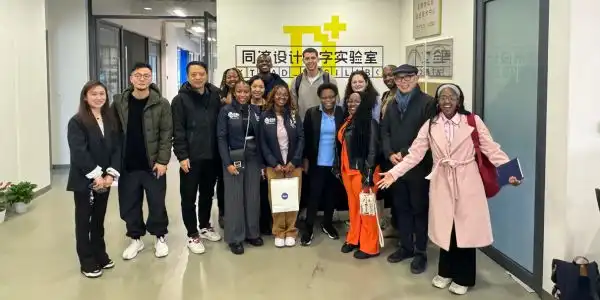
The Rise of China-Africa Academic Partnerships: What’s Next for 2025
As the global landscape continues to shift, the educational partnership between China and South Africa is poised for significant expansion in 2025 and beyond. With an increasing emphasis on global leadership, technological innovation, and cross-cultural understanding, programs like the recent Wits University student delegation to China are setting the stage for a deeper, long-term collaboration between the two nations.
Expanding Opportunities for South African Students
The success of Wits University’s 2024 educational tour to China has sparked discussions about expanding similar initiatives in 2025. With South Africa playing a strategic role in BRICS and China investing heavily in African development, higher education is emerging as a key area for cooperation. Going forward, more South African universities are expected to partner with Chinese institutions to offer exchange programs, joint research opportunities, and scholarships for African students.
The growing interest in study-abroad experiences is driven by the need for South African students to gain exposure to China’s rapid advancements in smart cities, artificial intelligence, renewable energy, and global trade. Future programs are likely to emphasize hands-on learning, with students engaging directly with Chinese businesses, technology hubs, and policy-makers to bring back knowledge that can be applied to South Africa’s own development challenges.
Strengthening Academic and Research Ties
Looking ahead, one of the major goals of China-South Africa educational exchange is to enhance academic collaboration in fields that are crucial for both economies. South African universities are seeking to establish more joint research initiatives with leading Chinese institutions such as Tsinghua University, Peking University, and the BRICS Centre at Fudan University.
The focus areas for future research collaborations include:
- Sustainable Urban Development: Learning from China’s experience in smart city planning to improve infrastructure in South African cities.
- Artificial Intelligence and Automation: Exploring how AI can drive economic growth in South Africa, particularly in manufacturing and agriculture.
- Green Energy Solutions: Partnering with Chinese experts to develop large-scale renewable energy projects that align with South Africa’s energy transition goals.
In addition to research, more South African students are expected to pursue postgraduate degrees in China, taking advantage of scholarship programs that support African talent in STEM fields.
A New Generation of Global Leaders
With initiatives like Wits University’s “Journey of Discovery” tour, the next generation of South African leaders is being equipped with a global mindset. As more students travel to China, they gain insights into international business strategies, sustainable development, and technological progress that can be implemented in their own communities.
Tshepo Matloga, a student who participated in the 2024 tour, highlighted the impact of these experiences: “Seeing how China has designed smart cities with people’s needs in mind made me realize how much we can improve our own urban planning back home.”
Beyond economic and technological lessons, these exchanges also promote cross-cultural understanding. South African students return with a greater appreciation for China’s history, philosophy, and governance models, helping to strengthen diplomatic and business ties between the two nations.
The Road Ahead
As 2025 unfolds, the future of China-South Africa education exchange looks promising. With new agreements expected between universities, the expansion of scholarship opportunities, and an increasing number of South African students venturing to China, the stage is set for a stronger, knowledge-driven partnership.
The next step is for governments, academic institutions, and private sector players to invest in these programs, ensuring that South African students can continue to gain world-class education and bring transformative ideas back to their home country.
Through education, innovation, and collaboration, China and South Africa are not only shaping the leaders of tomorrow but also building a stronger, more interconnected future.