

Electric Future: South Africa Eyes Chinese Automakers for EV Expansion
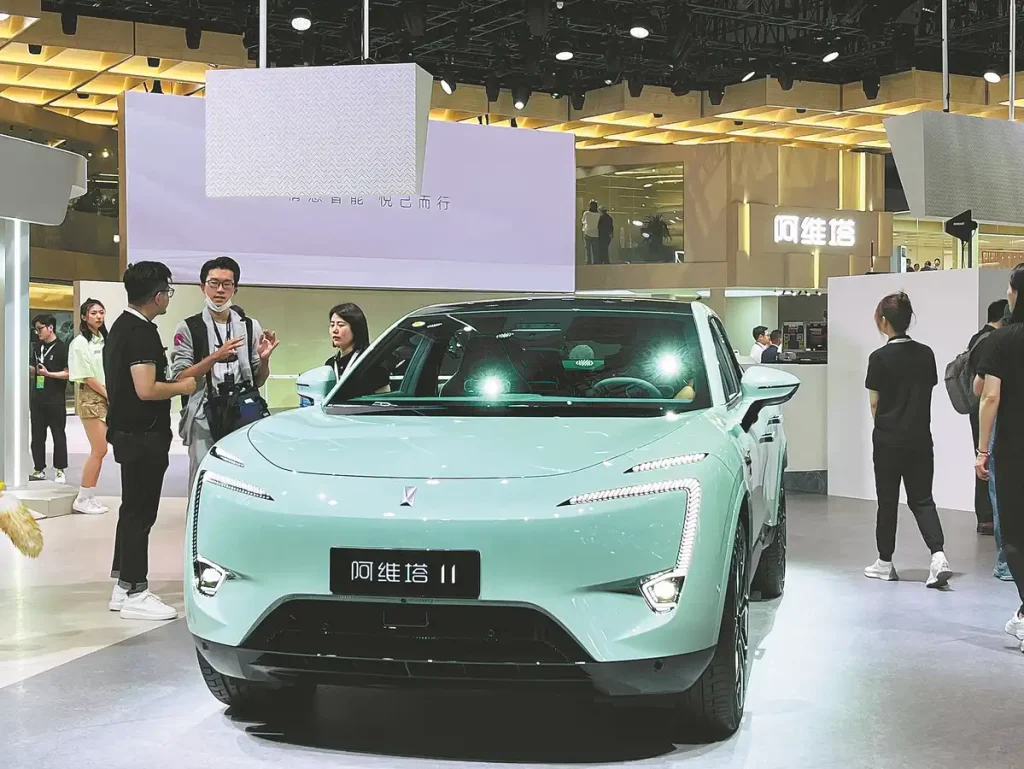
In recent years, China and South Africa have significantly deepened their bilateral relations, marked by increased economic cooperation and strategic partnerships. This strengthening alliance is exemplified by South Africa’s recent initiatives to attract Chinese investment in its burgeoning electric vehicle (EV) industry.
South Africa’s EV Tax Incentives
In a strategic move to position itself as a hub for electric vehicle manufacturing, South Africa has introduced tax incentives aimed at new-energy vehicle production. This policy is designed to attract foreign investment, particularly from Chinese automakers, into the country’s $27 billion automotive industry.
The National Association of Automobile Manufacturers of South Africa (NAAMSA) has reported signing three non-disclosure agreements with Chinese automakers, signaling potential future collaborations. These developments align with South Africa’s broader goal of transitioning to sustainable energy sources and reducing carbon emissions.
China’s Investment in South Africa
China’s economic footprint in South Africa has expanded considerably over the past two decades. Chinese foreign direct investment (FDI) in Africa surged from $75 million in 2003 to $5 billion in 2021, before adjusting to $1.8 billion in 2022. Notably, South Africa has been a significant beneficiary of this investment flow, with China’s investments in the country reaching approximately $25 billion. These investments have generated over 400,000 direct and indirect jobs, underscoring the substantial impact of Chinese capital on South Africa’s economy.
High-Level Diplomatic Engagements
The robust economic ties between the two nations are reinforced by strong political relations. In September 2024, Chinese President Xi Jinping and South African President Cyril Ramaphosa held talks in Beijing, reaffirming their commitment to deepening cooperation. Both leaders emphasized the importance of balanced trade and mutual investments, aiming to reduce South Africa’s trade deficit and create sustainable employment opportunities.
During the meeting, President Ramaphosa highlighted the mutual benefits of Chinese investments, countering narratives that portray such engagements as debt traps. He stated, “China is not pushing Africa into a debt trap,” emphasizing the collaborative nature of the relationship.
Future Prospects
Looking ahead, China has pledged to expand its cooperation with Africa, committing $51.4 billion in new funding by 2027. This commitment includes investments in infrastructure, renewable energy, and technology transfer, sectors critical to South Africa’s development agenda.
The introduction of EV tax incentives by South Africa is a strategic effort to attract a portion of this pledged investment, particularly from Chinese automakers seeking to expand their global footprint. By fostering a conducive environment for new-energy vehicle production, South Africa aims to become a pivotal player in the global EV market, leveraging Chinese expertise and capital.
The evolving partnership between China and South Africa represents a model of mutually beneficial cooperation. Through strategic economic policies and high-level diplomatic engagements, both nations are poised to achieve shared goals of economic development, technological advancement, and sustainable growth. As South Africa continues to implement policies that attract foreign investment, and as China expands its global economic initiatives, the relationship between the two countries is set to strengthen further, heralding a new era of prosperity and collaboration.